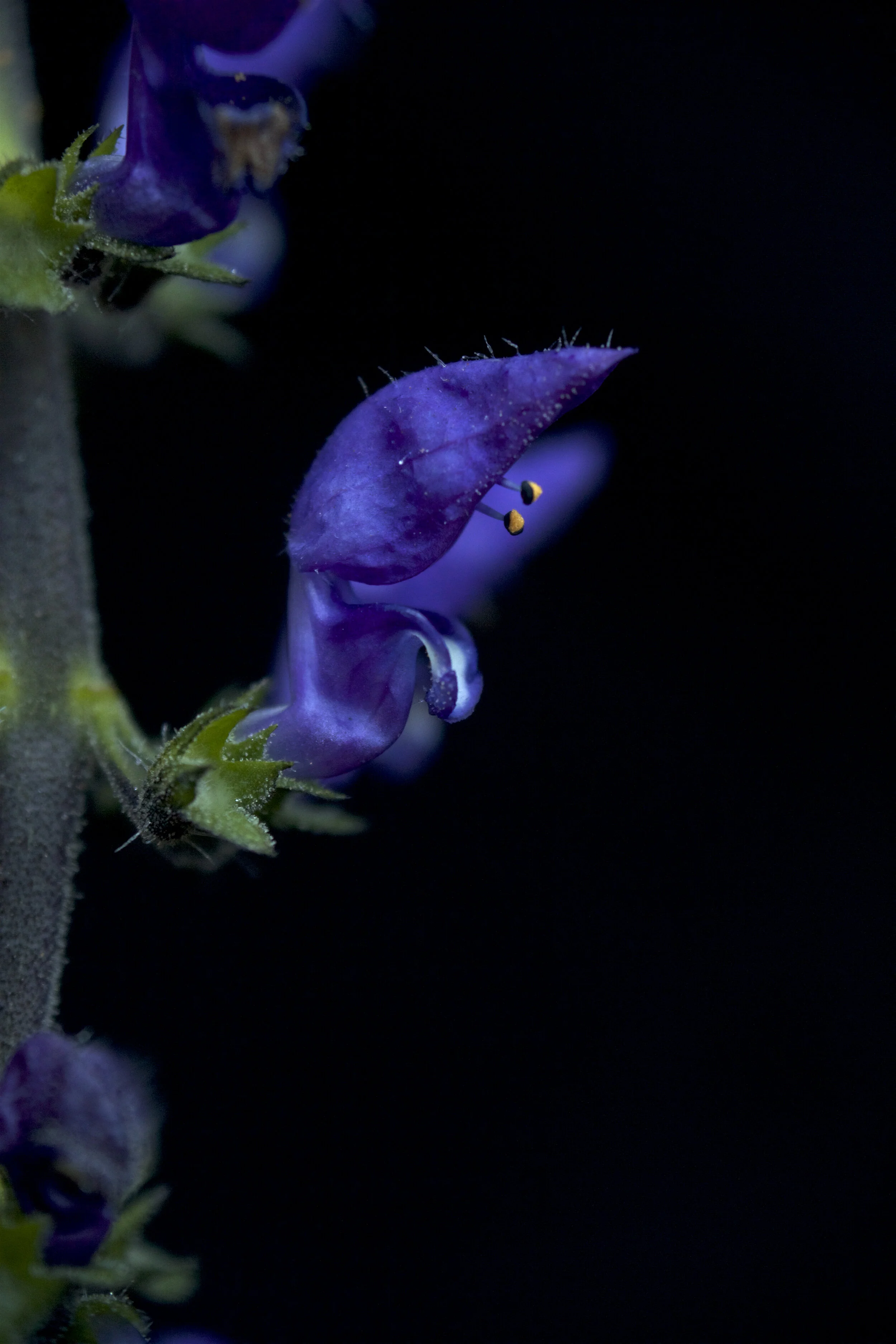
P. barbatus
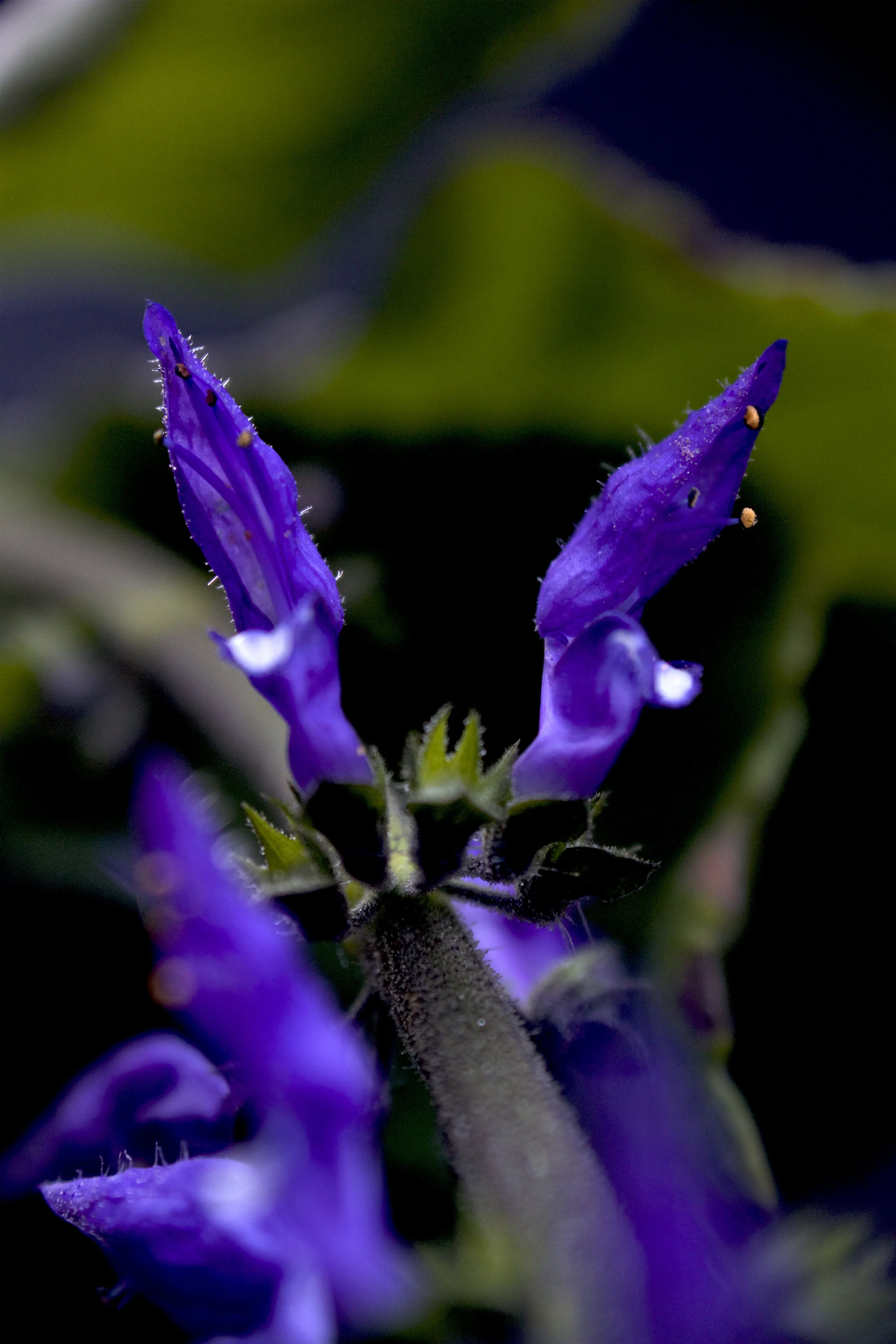
P. barbatus
Plectranthus neochilus and Plenctranthus barbatus
Family: Lamiaceae
Order: Lamiales
Class: Magnoliopsida – Dicotyledons
Ethnobotanical Properties: Treats digestion ailments, respiratory issues, dyspepsia, anti-tumoral —Isolated diterpenoids exhibit anti-bacterial and anti-fungal properties. Succulent leaves are fuzzy, and obovate in shape.
Companion Plants: Aeonium, Kalanchoe, Lamium
Soil pH: 6.0-6.5
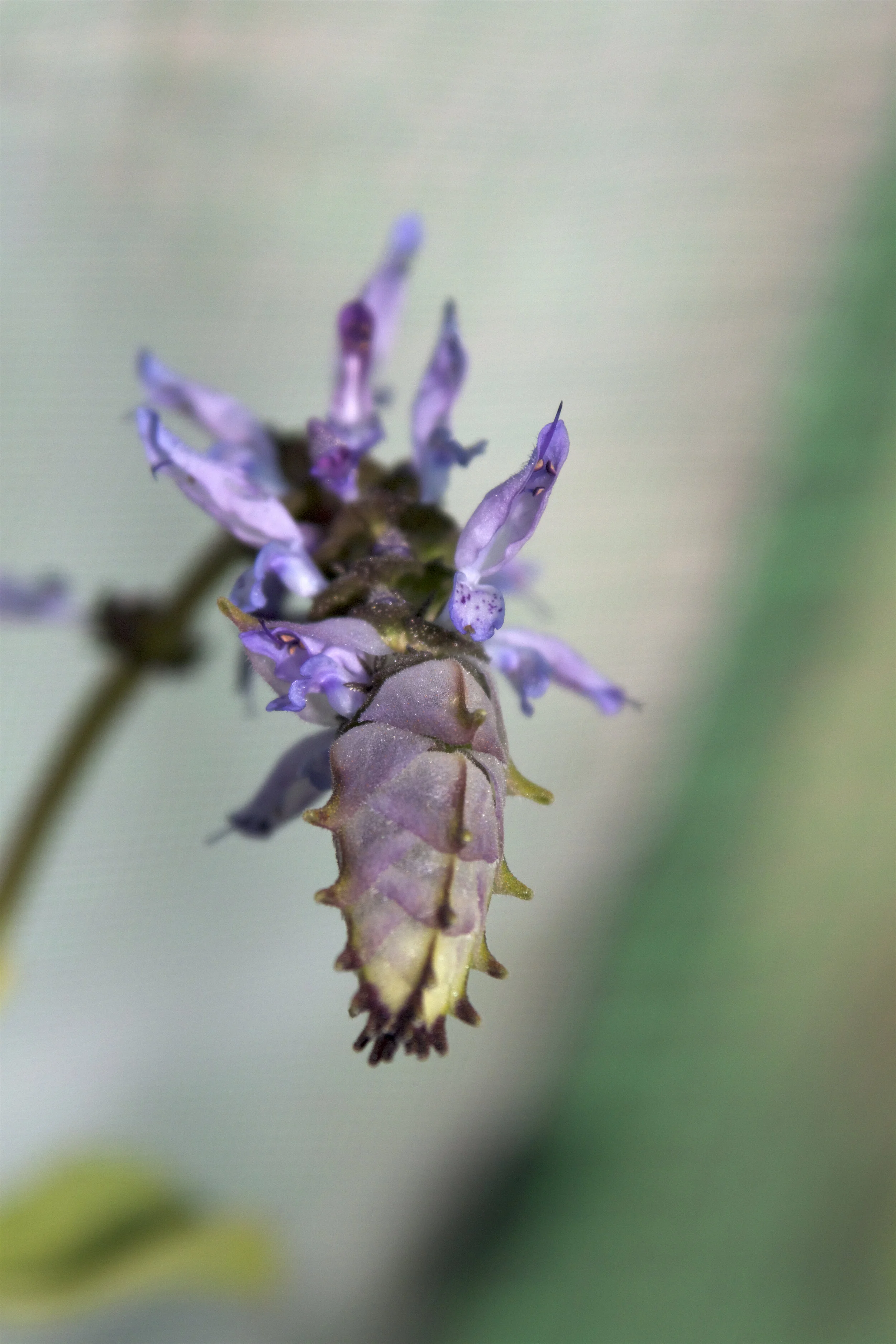
P. neochilus
One of the most cultivated specimen in our garden is the Plectranthus; an almost extraterrestrial being, whose medicinal properties are garnering more attention over the last twenty years.
The Plectranthus neochilus (Spurflower) of southern Africa stands tall; a herbaceous plant known for its rather pungent scent and bewitching blooms; a medicinal plant of the Lamiaceae family.
The neochilus is also, we’ve found, to be one of the easiest plants to propagate from cuttings.
We also recommend that you stop by Science Direct: A Plant for the Future to investigate in detail on the medicinal aspects of the prolific Plectranthus. You can download the pdf of this article for future reference.

Here is an intimate view at a Plectranthus neochilus petal under the microscope —what a mysterious tiny microcosm we’ve come to discover.
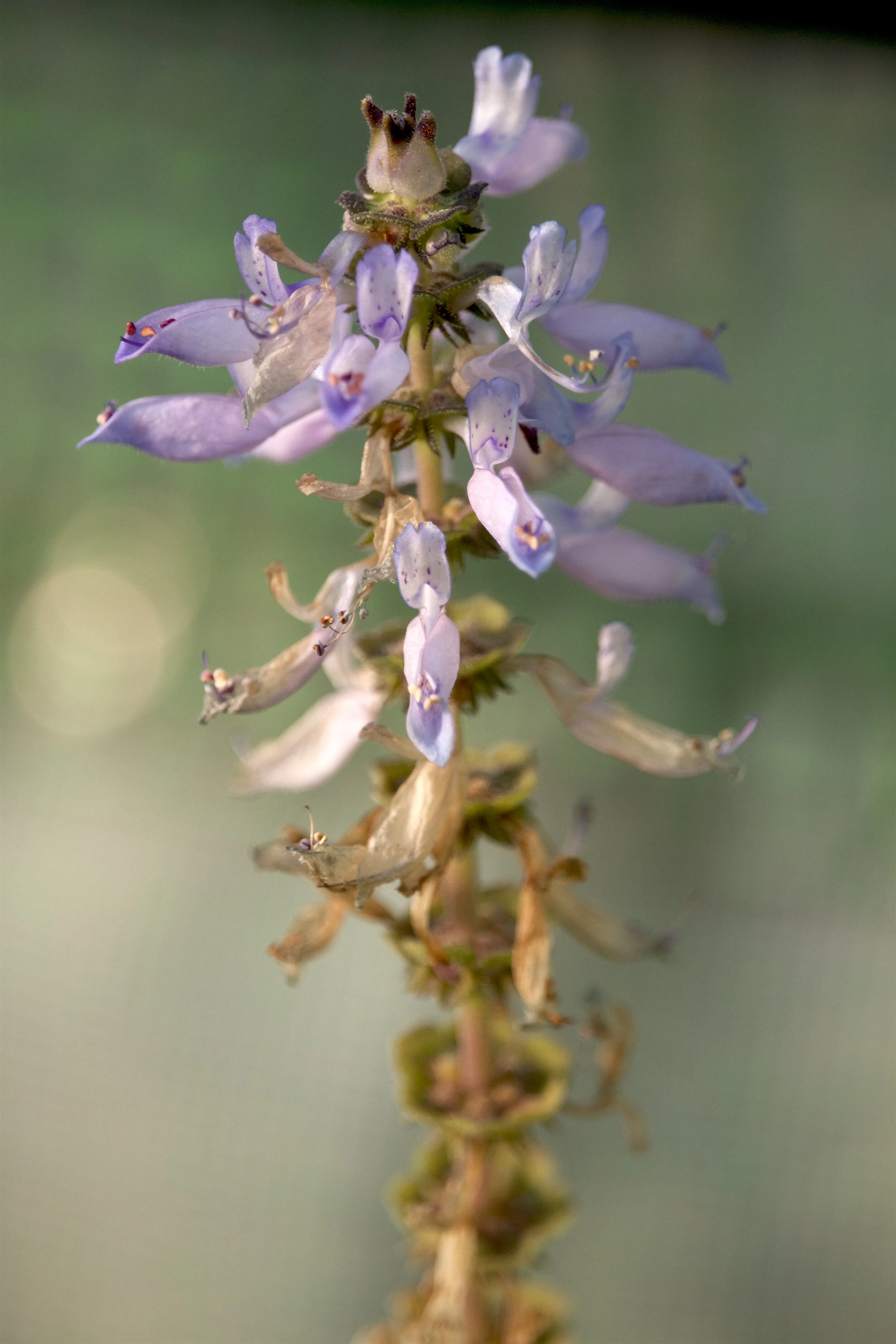
P. neochilus
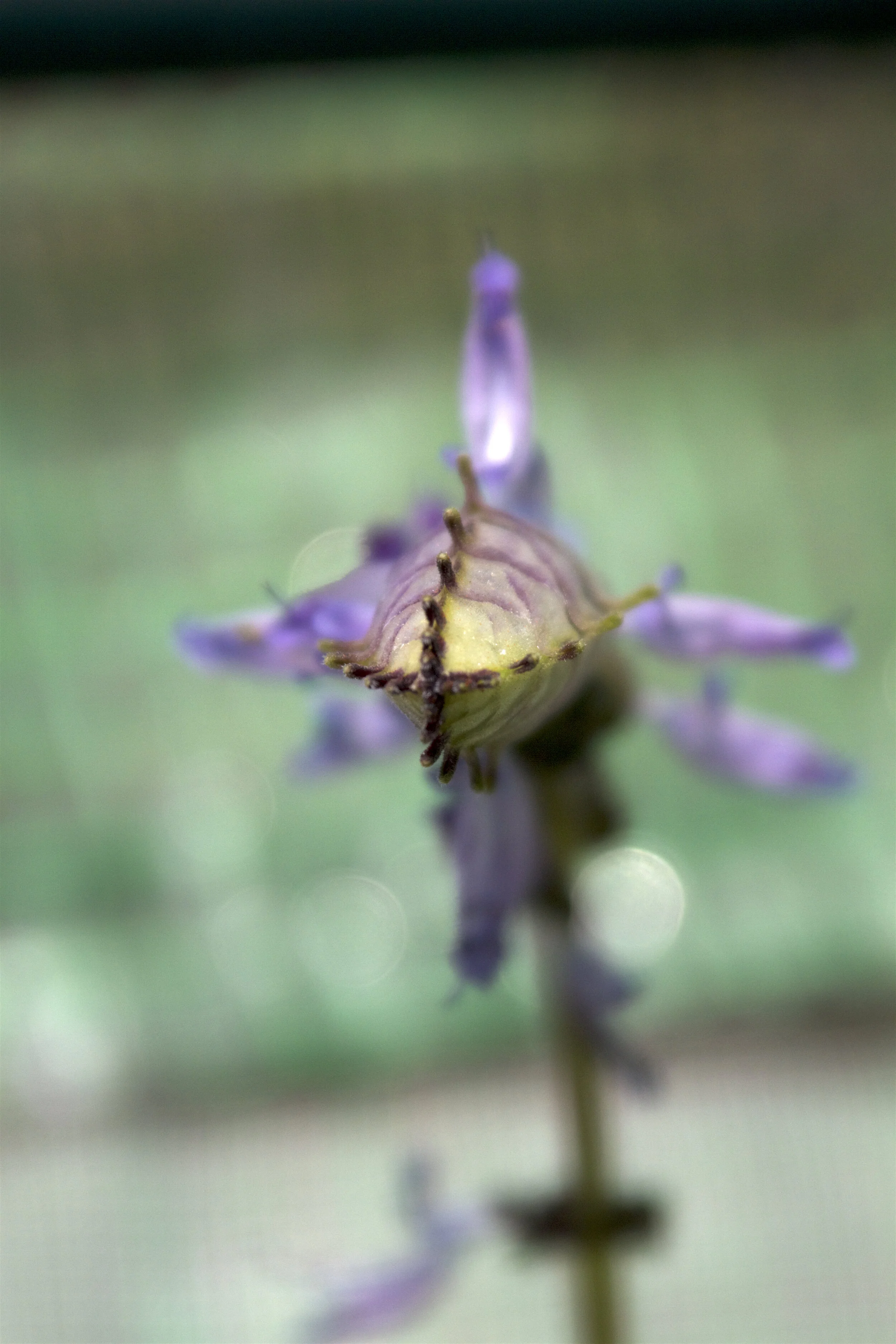
P. neochilus
The mighty and mysterious Plectranthus is known to have been cultivated to further illustrate the diversity of indigenous wildflowers. There have been noted, thus far, 12 species which are highlighted for their use in treating various ailments, especially by indigenous cultures of Southern Africa. The Plectranthus plays a dominant role in the rise of traditional medicine, as well as horticulturally across the globe.
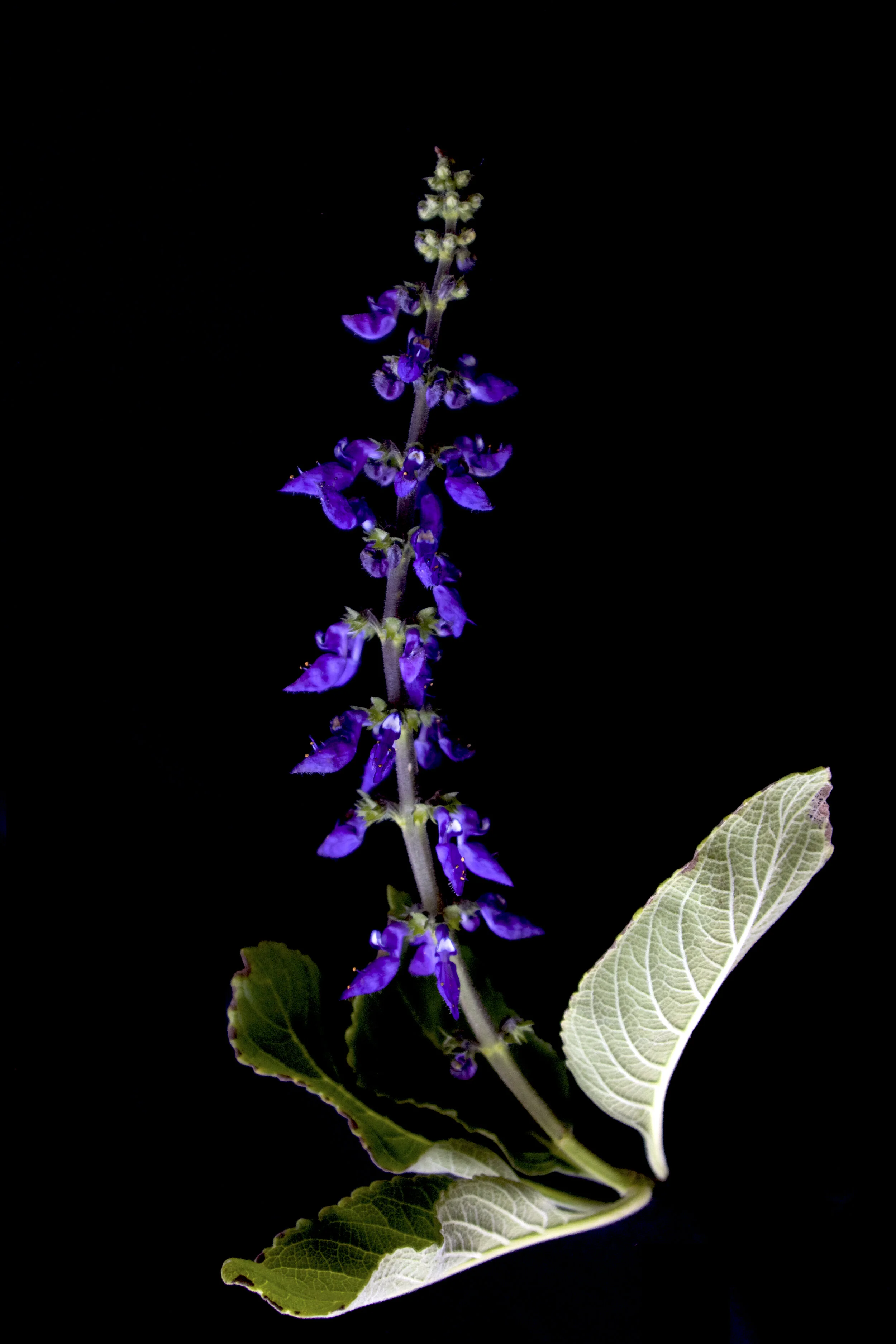
P. barbatus
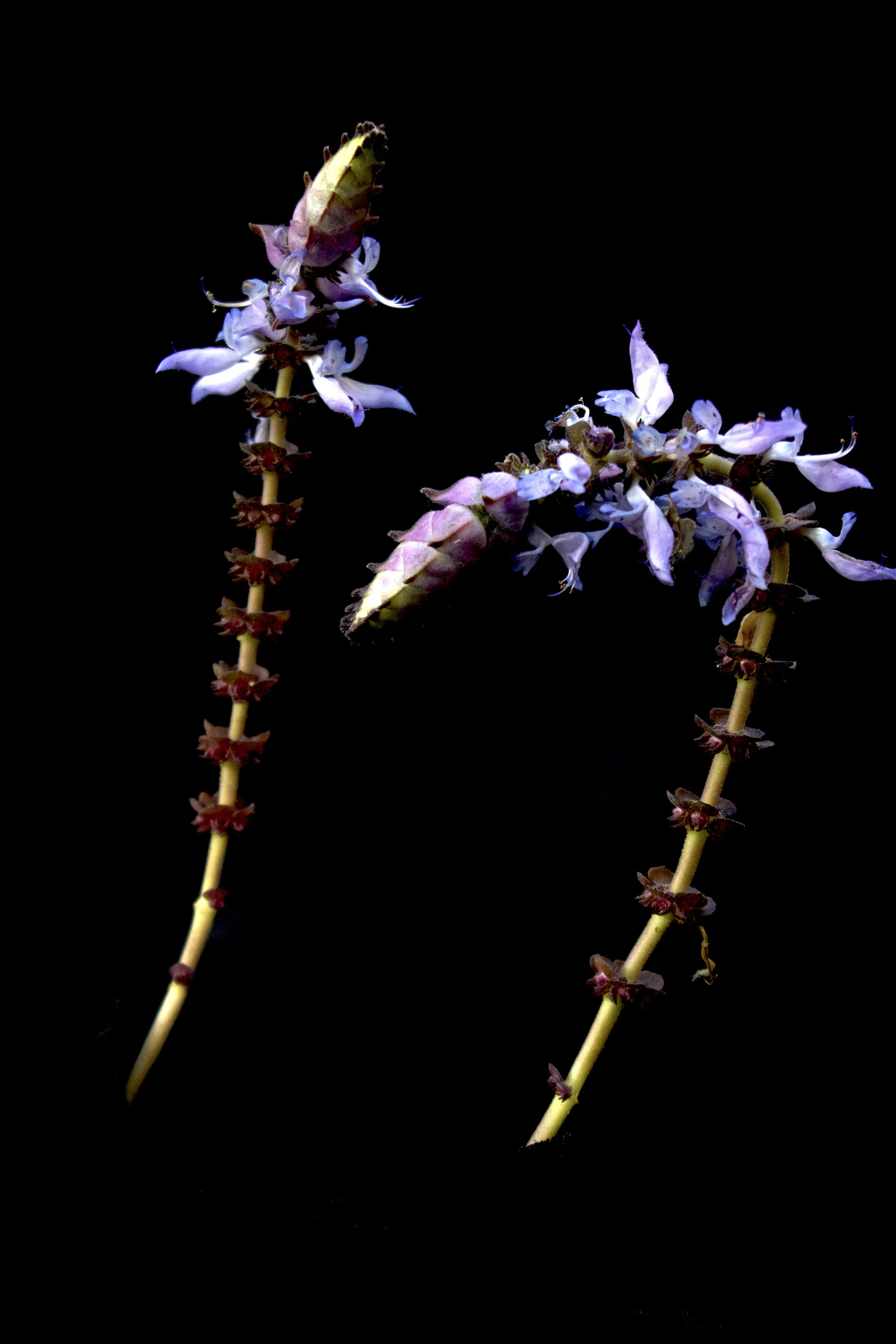
P. neochilus